 English
 Português
This article shares reflections and personal experiences. It is not health advice.
In this article
This text is for information only. It is not medical advice and does not replace an assessment by a health professional.
No two women share the same triggers
When women describe what sets off their hot flashes, the answers vary widely: red wine, a hot shower, a stressful meeting, a heavy sweater, a late coffee, a curry. Some describe clear patterns, and others find none. Research on triggers is mixed, and what applies to one woman may not apply to the next.
What is more consistent is that anything raising core body temperature or activating the stress response can make a flash more likely when temperature regulation is already sensitive. That is why certain triggers are frequently discussed, as observations rather than rules.
The most commonly reported triggers
Alcohol, particularly in the evening, is one of the most frequently mentioned, possibly because it widens blood vessels and disrupts sleep. Caffeine, especially in large amounts or late in the day, is another. Spicy foods and very hot drinks warm the body quickly. Warm environments such as a stuffy office, a hot bedroom or a car in the sun are frequently cited, as are synthetic fabrics and tight layers that trap heat.
Emotional stress and anxiety are also commonly reported, and they can form a loop in which a flash produces anxiety, and anxiety makes the next one more likely. Smoking has been linked with more frequent and severe hot flashes. Large meals, hot baths and intense exercise in a warm room are also mentioned.
Good to know: trigger patterns are usually identified by changing one variable at a time. When several habits change at once, it is not possible to tell which change made a difference.
What women tell us
Personal experiences, shared to help you feel less alone. They are not health advice.
I experience hot flushes randomly throughout the day and night. It feels like my body suddenly heats up and then goes away after a while. It can happen anytime, whether I’m sleeping or awake.
But the other thing I get; I find the heat affects me much more with exercise.
I was so nervous. I was driving home…and I just stopped the car on the motorway and I was like, I can’t do anymore…I totally lost my confidence.
How a trigger diary is usually kept
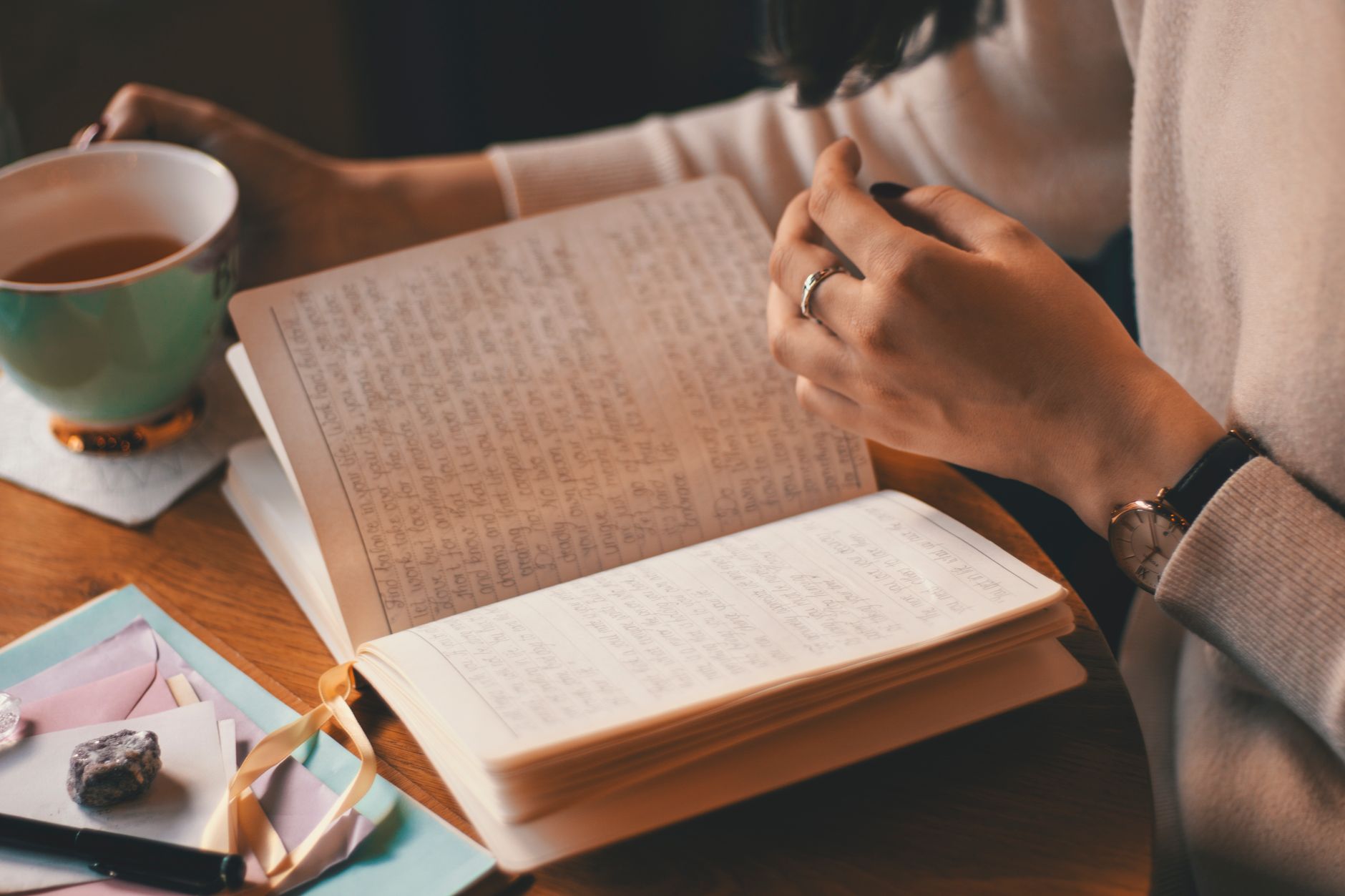
A trigger diary does not need to be elaborate. For each flash, the usual entries are the time, the intensity, what the person was doing, what had been eaten or drunk in the previous two hours, how warm the room was and the emotional state at the time. After two or three weeks, patterns sometimes emerge: flashes clustering in the late afternoon, after a glass of wine, or on stressful days.
A pattern does not always appear. Many hot flashes seem to arrive for no identifiable reason, and this is commonly described as normal. A diary can also give a professional a clearer picture of how often flashes happen and how much they affect daily life.
Modifications that are often described
Several of the adjustments women report are simple in nature. Light, breathable layers that can be removed. Cooler rooms and fans. Cooler showers. Less alcohol and caffeine moved to the morning. Regular, lighter meals. Slow breathing at the first sign of a flash. Gentle regular exercise, done earlier in the day, is associated in public health guidance with better sleep and mood.
None of this stops hot flashes entirely, and they can occur regardless of habits. The aim described in these accounts is usually to reduce how often and how intensely flashes are bothersome.
avoiding all the "trigger foods" prevents hot flashes.
Reality: hot flashes are driven mainly by hormonal and brain changes. Triggers can influence when or how strongly they appear, but removing them does not switch the flashes off.
Stress, sleep and the cycle between them
Poor sleep and stress both appear to lower tolerance for temperature changes. A bad night can make the day harder, and a hard day can make the night worse. Interrupting that cycle, through a regular bedtime, time outdoors and a few minutes of calming practice, is often described as more helpful than any single food change.
Cognitive behavioural therapy has been studied for its effect on how much hot flashes bother women, even when their number does not change. For women whose flashes interfere with daily life, this is a reminder that support does not only come in the form of medication.
Drenching sweats accompanied by fever, unexplained weight loss, a racing heart or tremor, or sweats that begin suddenly after a medication change may have another cause and warrant medical assessment.
When a professional is involved
Several kinds of professionals deal with menopausal symptoms: general practitioners, gynaecologists, endocrinologists and menopause specialists, as well as psychologists and cognitive behavioural therapists for the distress flashes can cause. According to the NHS and NICE guidance, assessment usually includes the pattern and frequency of symptoms, medical history and the impact on daily life. These professionals are the appropriate source for individual questions about causes and options.
References
- NHS. Menopause: things you can do to help. nhs.uk
- NHS. Menopause: symptoms. nhs.uk
- World Health Organization. Menopause (fact sheet). who.int
- NICE. Menopause: identification and management (NG23). nice.org.uk
Frequently asked questions
Does coffee cause hot flashes?
It is reported as a trigger by some women, especially in large amounts or late in the day. Others notice no effect, and research on the link is mixed.
Can alcohol make hot flashes worse?
Many women report this, particularly with evening drinks. Studies on the association are not unanimous.
Does stress cause hot flashes?
Stress is not described as a cause of hot flashes, but it is commonly reported as making them more likely or more intense for some women.
Do trigger diaries help?
They are widely described as a way to reveal patterns and to give a professional useful information, even when no clear trigger emerges.
Most relevant for: in your 40sin your 50sin your 60s