 English
 Português
This article shares reflections and personal experiences. It is not health advice.
In this article
- A crowded market built on a real need
- What reviews of the research tend to report
- What women tell us
- Why results are hard to interpret
- Calcium, vitamin D and the supplements discussed for long-term health
- Measures discussed outside the supplement aisle
- Questions that come up around any product
- Talking to a professional
- References
- Frequently asked questions
This text is for information only. It is not medical advice and does not replace an assessment by a health professional.
A crowded market built on a real need
Menopause symptoms can be disruptive, and interest in products described as gentle or natural is widespread. The market reflects this: pharmacy shelves and online stores carry many products marketed around hormone balance, hot flashes, mood and sleep. The labels tend to be confident; the evidence behind them is often much thinner.
A product being widely sold is not the same as a product being proven. That distinction is the subject of this article, which describes what public sources report rather than recommending any course of action.
What reviews of the research tend to report
Health services and menopause societies have reviewed the research on common remedies, and their conclusions are generally cautious. For black cohosh, results across studies are described as mixed, and rare reports of liver problems have been noted. For soy foods and isoflavone supplements, some studies report a small effect on hot flashes, but findings are inconsistent. Red clover and evening primrose oil have not shown reliable benefit in the reviewed literature. For ginseng, dong quai and several other popular herbs, the evidence base is described as limited or lacking.
St John's wort is sometimes discussed in relation to low mood and hot flashes. It is also known to interact with a number of medicines, including some contraceptives, antidepressants and anticoagulants, which is why it features prominently in interaction warnings.
Good to know: product labels do not always list every interaction or the exact amount of active ingredient, and the same herb can vary in composition between brands.
What women tell us
Personal experiences, shared to help you feel less alone. They are not health advice.
I bought books and accessed as much information as I could on the internet… My GPs weren’t ever so helpful
my faith is actually what actually helps me a lot when it comes to tackling the emotional and even…all the certain symptoms apart from the medical ones.
[..] just talking about it would make people feel better, because that’s when you realize you don’t actually have a problem.
Why results are hard to interpret
Hot flashes naturally fluctuate over time, and in trials a notable share of participants improve on a placebo. This makes small apparent benefits difficult to separate from expectation and chance. Many studies are small, short or not well controlled, and different brands of the same herb can contain very different amounts of active compounds.
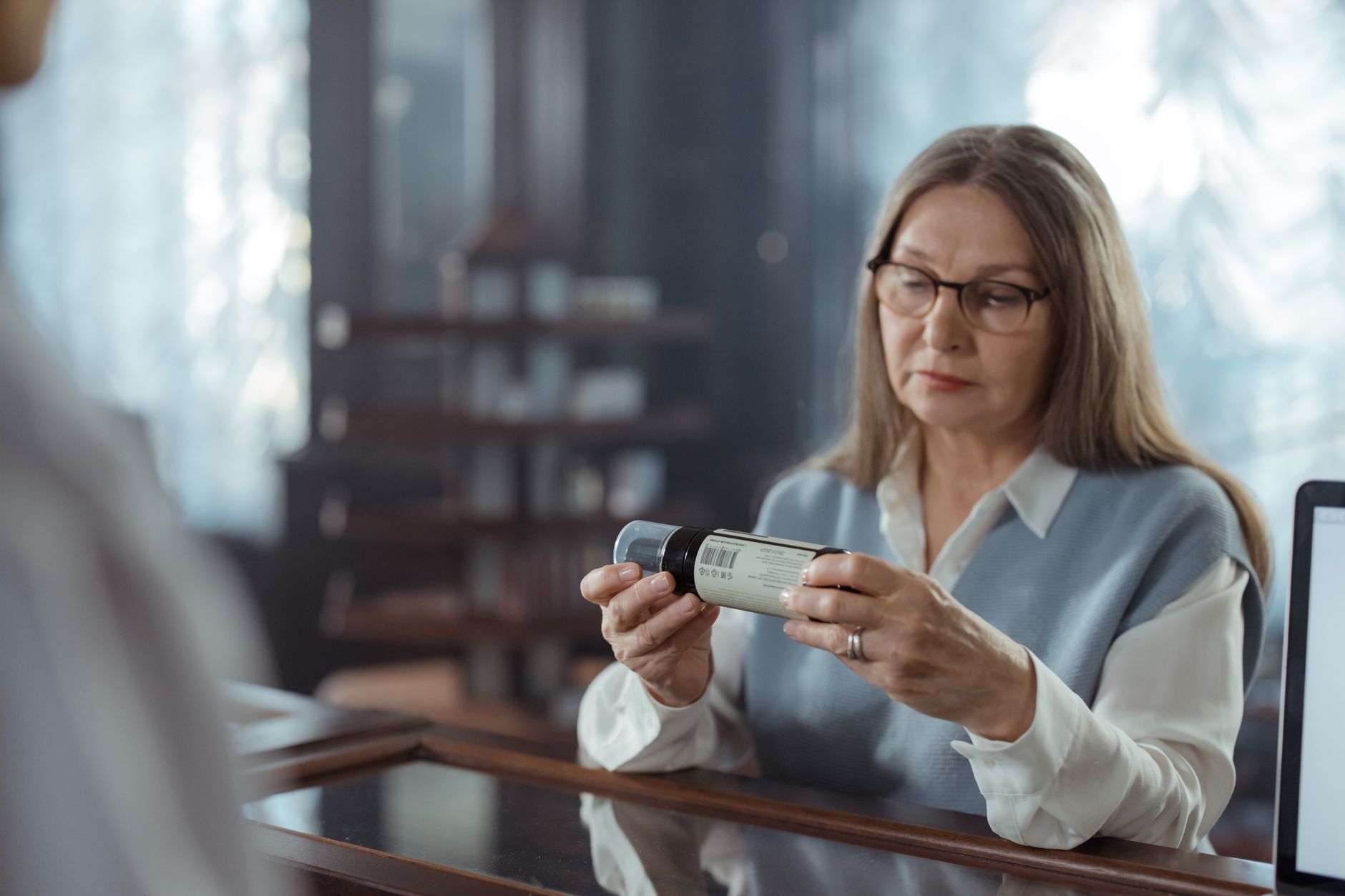
Supplement quality also varies. Unlike medicines, supplements are not always tested to the same standards before reaching the market, and independent analyses have reported products containing less or more than their labels state. Reputable sourcing and independent quality marks are described as reducing, but not eliminating, this uncertainty.
Calcium, vitamin D and the supplements discussed for long-term health
Some supplements are discussed in relation to long-term health rather than symptoms. Calcium and vitamin D are described by public health bodies as important for bone strength, which becomes more relevant after menopause. Many people obtain calcium from food and vitamin D from sunlight and diet, and in some situations a professional may identify a need for supplementation.
High intakes are not without risk: excessive calcium or vitamin D can cause problems of its own. Blood testing for vitamin D is sometimes used to clarify individual status.
Combining several herbal products, or using them alongside medication for blood clotting, blood pressure, mood, seizures or cancer, is a situation that warrants professional assessment. Yellowing skin, dark urine, unusual tiredness or stomach pain are described in the literature as reasons to consult a professional.
Measures discussed outside the supplement aisle
Several approaches with better supporting evidence involve no product at all. Regular physical activity is associated with benefits for mood, sleep and bone health. A cool bedroom and layered clothing are commonly described as reducing night sweats. Reducing alcohol and late caffeine is frequently mentioned in patient information. Cognitive behavioural therapy has evidence for reducing the distress associated with hot flashes and sleep problems. Prescribed treatments, both hormonal and non-hormonal, are covered in clinical guidelines such as those from NICE.
if a product is sold in a pharmacy or health shop, it must have been shown to work.
Reality: many products are sold as supplements without having been proven for menopause. Placement on a shelf is not evidence of effectiveness.
Questions that come up around any product
What is the product intended for, and what evidence exists for that use? Who manufactures it, and is it tested by an independent body? Could it interact with anything already being taken? What side effects are documented? These are the kinds of questions that public information sources suggest readers consider, and a product that cannot answer them clearly is one whose claims rest on little.
Talking to a professional
Several kinds of professionals deal with menopause: general practitioners, gynaecologists, endocrinologists, pharmacists and specialist menopause clinicians. Their role is to assess individual circumstances, review medication lists for interactions, interpret test results where relevant, and explain the options described in clinical guidelines. According to the NHS and NICE, decisions about treatment are made individually, taking into account symptoms, health history and personal preferences.
References
- NHS. Menopause: treatment. nhs.uk
- NICE. Menopause: identification and management (NG23). nice.org.uk
- Mayo Clinic. Menopause. mayoclinic.org
- World Health Organization. Menopause (fact sheet). who.int
Frequently asked questions
Do herbal remedies work for hot flashes?
For most, the evidence is described as limited or inconsistent. Some women report relief, but reviews do not show reliable benefit for many popular herbs.
Is black cohosh safe?
It is widely sold, but rare reports of liver problems have been noted and study results are mixed. Its use is generally discussed with a professional, particularly by people with liver conditions or those taking other medicines.
Do calcium and vitamin D supplements matter after menopause?
They are discussed in relation to bone health rather than hot flashes. Whether a supplement is needed depends on diet, sun exposure and individual bone health, which a professional can assess.
Can supplements interact with medication?
Yes. Some herbs, such as St John's wort, are known to interact with common medicines, including contraceptives, antidepressants and anticoagulants. Pharmacists and doctors are the usual sources for checking a specific combination.
Most relevant for: in your 40sin your 50sin your 60s