 English
 Português
This article shares reflections and personal experiences. It is not health advice.
In this article
This text is for information only. It is not medical advice and does not replace an assessment by a health professional.
A process that is usually silent
Bone is living tissue that is continuously renewed throughout life. According to the NHS, bone loss speeds up after menopause because of changes in hormone levels, with more bone being lost than replaced. This process generally produces no symptoms, and in many cases a fracture is the first sign that bone density is low. This is one reason why risk assessment is described by clinicians as relevant well before any fracture occurs.
The vocabulary of bone density
Osteopenia is commonly described as bone density that is lower than the normal range but not low enough to be classified as osteoporosis. Osteoporosis is commonly described as a condition in which bone density is low and the bone structure is weakened, so that fractures occur more easily, sometimes after a minor fall.
Bone density is usually measured with a DXA scan, a low-dose X-ray test. The result is a number that clinicians interpret together with age, medical history and other risk factors rather than in isolation.
What women tell us
Personal experiences, shared to help you feel less alone. They are not health advice.
I ache and I feel old, and I can’t move, and I’m not me
In the beginning, the realisation that my period has stopped permanently left me with countless unanswered questions. Every woman goes through this battle alone
I bought books and accessed as much information as I could on the internet… My GPs weren’t ever so helpful

Risk factors described in public sources
The Royal Osteoporosis Society and the International Osteoporosis Foundation list several factors that are associated with a higher risk of low bone density and fracture. These include a family history of hip fracture, early menopause, low body weight, smoking, heavy alcohol use, long-term use of certain medicines such as oral corticosteroids, some medical conditions, and a previous fracture after a minor fall. Risk assessment tools used by clinicians combine these factors to estimate the probability of fracture over a given period.
Good to know: the National Institute for Health and Care Excellence (NICE) publishes guidance on how fracture risk is assessed in adults, and clinicians use structured tools rather than a single measurement.
Factors linked to bone health
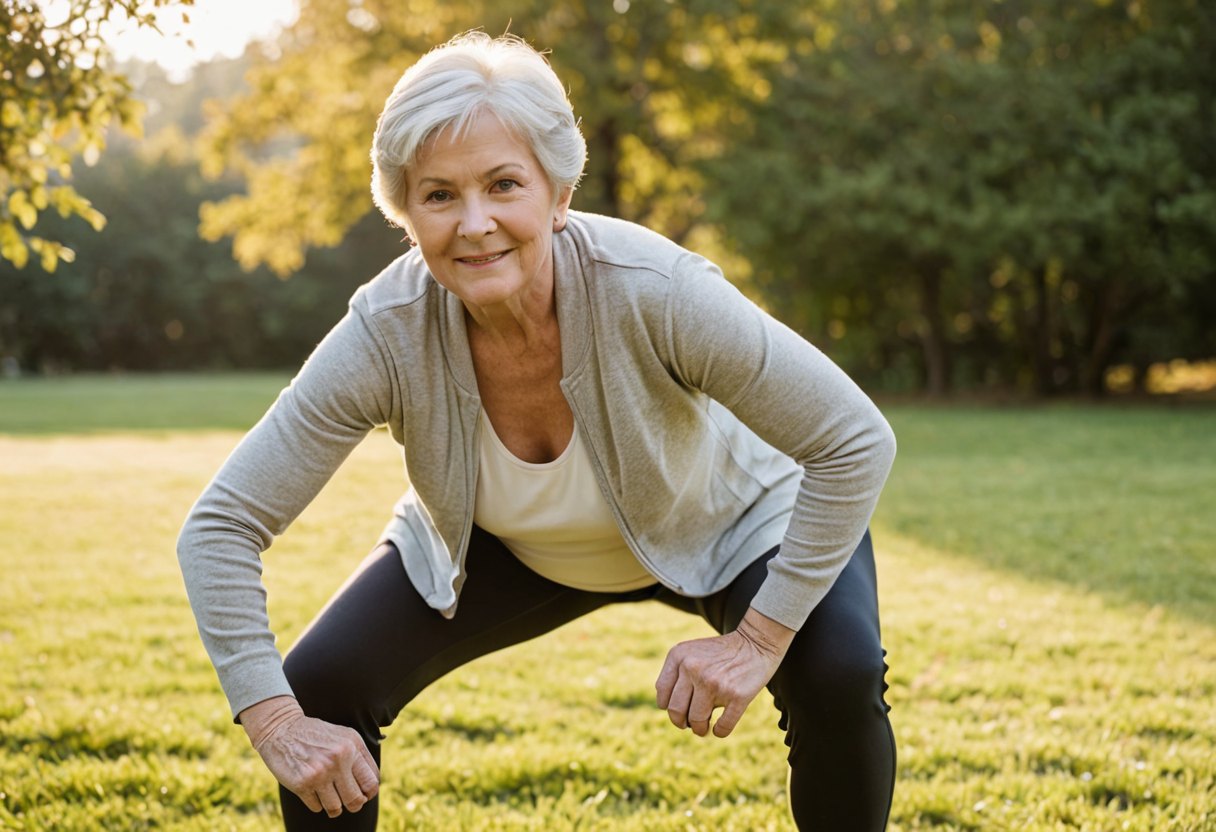
Physical activity. Public health sources commonly describe weight-bearing activity, such as walking, dancing or climbing stairs, and muscle-strengthening exercise as associated with bone maintenance, balance and strength.
Nutrition. Protein intake, calcium-rich foods and vitamin D status are regularly discussed in relation to bone health. Vitamin D needs vary with location, skin and season, and are usually assessed by a clinician.
Lifestyle. Smoking and heavy alcohol consumption are consistently listed as risk factors for lower bone density.
Falls. Because fractures often follow a fall, vision checks, lighting and the removal of trip hazards at home are frequently mentioned in prevention literature.
Medical management
When fracture risk is high, clinicians may discuss medicines that slow bone loss or support bone formation. Hormone therapy, used for menopausal symptoms, is also described as having an effect on bone, and its suitability depends on the individual situation. Supplements and medicines are medical decisions, and their use, dose and duration are determined in consultation with a clinician.
An illustrative scenario
Consider a woman who learns at 58 that her scan shows osteopenia. She takes up strength training twice a week, reviews her diet and supplements with her doctor, and has a follow-up scan later. This is an illustrative example, not a real account.
"Calcium supplements alone protect bones."
Calcium is one factor among several. Exercise, vitamin D, protein, lifestyle and, where indicated, medical treatment are all part of the picture, and excessive supplemental calcium is not necessarily beneficial.
Sudden severe back pain, loss of height, a stooped posture or a fracture after a minor fall can be signs of vertebral fractures and should be assessed by a doctor.
Talking to a professional
Several kinds of professionals deal with bone health. General practitioners coordinate assessment and referral; rheumatologists, endocrinologists and geriatricians specialise in metabolic bone disease and fracture prevention; radiologists perform and interpret DXA scans; physiotherapists work on strength and balance; and dietitians address nutritional intake. These professionals explain what a scan result means, what the available options are and what the evidence says about each of them.
References
- NHS. Osteoporosis. nhs.uk
- Royal Osteoporosis Society. theros.org.uk
- NICE. Osteoporosis: risk assessment. nice.org.uk
- International Osteoporosis Foundation. osteoporosis.foundation
Frequently asked questions
Does everyone need a bone density scan?
No. According to NICE guidance, scans are offered based on age and on an assessment of risk factors rather than to everyone.
Is osteopenia the same as osteoporosis?
No. Osteopenia is a milder category of low bone density, but it is still associated with a higher fracture risk than average.
Can exercise affect bone density?
Public health sources describe exercise as helping to maintain bone and as improving balance and strength, which are linked to fewer falls.
Is milk the only source of calcium?
No. Other dairy foods, fortified foods, some fish eaten with bones and certain green vegetables also contribute calcium to the diet.
Most relevant for: in your 50sin your 60s